Nowe Muzeum Holocaustu w Amsterdamie
31/03/2024 | Na stronie od 31/03/2024
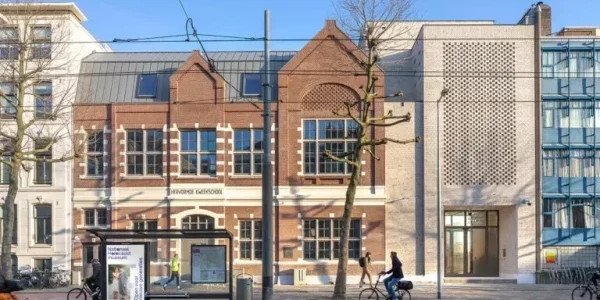
Image: Thijs Wolzak
Źródło: Centrum Badań nad Zagładą Żydów / Polish Center for Holocaust Research
Muzeum Holocaustu w Amsterdamie
107 tys. spośród 140 tys. Żydów zamieszkałych w okupowanej od maja 1940 r. przez nazistowskie Niemcy Holandii deportowano między lipcem 1942 a wrześniem 1944 r. do obozów zagłady w Auschwitz, Sobiborze, Bełżcu i Bergen Belsen. Przeżyło 5200 osób. W podbitych przez Trzecią Rzeszę krajach Europy Zachodniej oznacza to tragiczny rekord i procentowo (76 procent żydowskiej społeczności), i w liczbach bezwzględnych. Otwarte w Amsterdamie w maju 2024 r.
Narodowe Muzeum Holokaustu (NHM) postawiło sobie za cel kompleksowe przedstawienie prześladowań i zagłady holenderskich Żydów, ponieważ powstałe wcześniej formy ich upamiętnienia uznano za niedostateczne. Realizując ten cel, twórcy NHM kierowali się nade wszystko myślą o dotarciu do młodej publiczności, która w Holandii jest wieloetniczna i wielokulturowa i której edukacja historyczna w szkołach wszystkich szczebli jest śladowa.
Postawili na chronologicznie prowadzoną narrację, nieobciążoną szczegółami, ale ukazującą przejrzyście mechanizm zagłady: od społecznego wykluczenia Żydów ze strony nie-Żydów, pozbawiania ich krok po kroku wszystkich praw przez metodyczny rabunek mienia i pracę przymusową, po wywózkę do obozu w Westerboerk i Vaught, a stamtąd bydlęcymi wagonami „na Wschód”. Kuratorom NHM towarzyszyła nadzieja, że ekspozycja zachęci zwiedzających „do zaangażowania i przyjęcia postawy obywatelskiej”. Dlatego skupili się na jednostkowych losach, a nie na abstrakcyjnych liczbach, rolę zaś nośników emocji powierzyli niepozornym, uratowanym cudem przedmiotom, które mają sprawić, że zwiedzający dostrzegą bliskich w tych, do których te przedmioty należały.
Autorka relacjonuje rozwiązania zastosowane przez kuratorów, wskazując elementy, które jej zdaniem stanowią o sile NHM i wysokiej klasie jego ekspozycji, ale dzieli się też uwagami krytycznymi i wątpliwościami co do skuteczności oddziaływania formuły wystawy przyjętej przez jej twórców na najważniejszą dla nich docelową grupę zwiedzających, czyli holenderską młodzież szkół średnich i wyższych.
Więcej:
National Holocaust Museum
The National Holocaust Museum opened in March 2024. It is the first and indeed only museum to tell the entire story of the persecution of the Jews in the Netherlands. A history of segregation, persecution and murder. Yet also of rescue, survival and solidarity.
National Holocaust Museum
Renovation work is proceeding apace at the former Hervormde Kweekschool on Amsterdam’s Plantage Middenlaan—a hugely significant place since hundreds of Jewish children were saved here during the war. In 2023, this building will house the National Holocaust Museum’s permanent display, temporary exhibitions, activities and educational programmes about the history of the persecution of the Jews in the Netherlands.
Here, visitors will learn about how it was possible for the Holocaust to happen, who the victims were, and the perpetrators – and how we can make sure that this never happens again. Authentic elements emphasize the role played by the building during the war, like the fence where children were passed over from the adjacent kindergarten to members of the resistance—the place where their rescue began.
The National Holocaust Museum is where the victims are remembered and where we face up to the consequences of indifference and discrimination then and now.
Joods Cultureel Kwartier (Jewish Cultural Quarter)
The Jewish Cultural Quarter in the old Jewish neighbourhood in the heart of Amsterdam is home to the Jewish Museum and Jewish Museum Junior, the Portuguese Synagogue, Hollandsche Schouwburg and the National Holocaust Museum. Grouped together within a square kilometre, these four historic locations house a unique collection that brings to life a history and rich Jewish heritage spanning from 1600 to the present day. The Jewish Cultural Quarter welcomes all visitors, young and old, in search of information, entertainment, beauty, contemplation, growth and inspiration.