SPRAWIEDLIWI - WTEDY I DZISIAJ
W 84. rocznicę zagłady żydowskiego getta w Otwocku
18/08/2026 | Na stronie od 07/08/2026
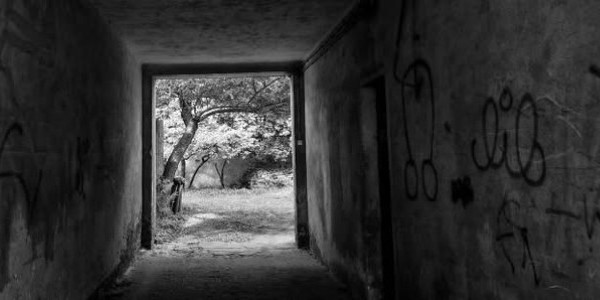
Fot. Aldona Piekarska
Źródło: Społeczny Komitet Pamięci Żydów Otwockich i Karczewskich oraz "WIĘŹ"
W 84. rocznicę zagłady żydowskiego getta w Otwocku zapraszamy
- 18 sierpnia 2026 r. (wtorek), na godz. 18.00
- do Klubu „Smok” (Otwock, ul. Warszawska 11/13)
- na dyskusję
- SPRAWIEDLIWI - WTEDY I DZISIAJ
Wezmą w niej udział:
- KAREN KIRSTEN z USA (pisarka i edukatorka, autorka książki „Irena’s Gift”, przedstawiającej losy jej rodziny pochodzącej z Otwocka; inicjatorka przyznania medali Sprawiedliwych wśród Narodów Świata kilku Polakom; praprawnuczka Józefa Przygody, który w 1895 r. założył pierwsze w Otwocku sanatorium żydowskie przy ul. Warszawskiej 5),
- MAŁGORZATA RYCHARSKA (założycielka organizacji Hope & Humanity, próbującej wydobywać z Białorusi szczególnie wrażliwych migrantów: dzieci, kobiety ciężarne, osoby ciężko chore i z niepełnosprawnością wypchniętych tam przez polskie służby; mieszka w domu Marii Kaczyńskiej, Sprawiedliwej wśród Narodów Świata, która uratowała mamę Karen Kirsten),
- SEBASTIAN RAKOWSKI (historyk i społecznik, autor m.in. przygotowywanej do druku książki „Getto w Otwocku. Dzieje żydowskiej społeczności Otwocka podczas okupacji niemieckiej”, wiceprezes Towarzystwa Przyjaciół Otwocka). Prowadzenie: ZBIGNIEW NOSOWSKI, przewodniczący Społecznego Komitetu Pamięci Żydów Otwockich i Karczewskich
***
W ramach obchodów zapraszamy również następnego dnia na
MARSZ PAMIĘCI I MODLITWY
ROZPOCZĘCIE:
- 19 sierpnia 2026 r. (środa), godz. 19.00 rondo Bronisława Marchlewicza (skrzyżowanie ulic Reymonta i Samorządowej)
ZAKOŃCZENIE:
- ul. Reymonta, miejsce pamięci otwockich Żydów (mężczyźni proszeni są o nakrycie głowy)
PATRONAT HONOROWY:
- prezydent Otwocka Jarosław Margielski
***
Zapraszamy też do Falenicy
20 sierpnia 2025 r. (czwartek), godz. 18.00 na spotkanie przy pomniku upamiętniającym zagładę Żydów Falenicy - skwer przed stacją PKP Warszawa Falenica (róg ulic Patriotów i Frenkla)
***
ORGANIZATORZY
- Społeczny Komitet Pamięci Żydów Otwockich i Karczewskich
- Towarzystwo Przyjaciół Otwocka
- Komitet Upamiętnienia Zagłady Gett w Falenicy i Rembertowie
- Europejski Instytut Kultury Fundacja
PARTNERZY
- Polska Rada Chrześcijan i Żydów
- Miejski Ośrodek Kultury, Turystyki i Sportu w Otwocku
- Exitus
PATRONI MEDIALNI
KONTAKT Z ORGANIZATORAMI
- kontakt@zydziotwoccy.pl
INFORMACJE BIEŻĄCE
***
Przed II wojną światową Żydzi stanowili ok. 60% mieszkańców Otwocka. 19 sierpnia 1942 r. hitlerowcy wywieźli do obozu zagłady w Treblince 8-10 tysięcy otwockich Żydów (około połowy mieszkańców miasta). Prawdopodobnie następnego dnia zostali oni zamordowani w komorach gazowych obozu.
Jednocześnie niemieccy okupanci rozstrzeliwali Żydów na miejscu – 19 sierpnia i w następnych tygodniach w lesie przy ul. Reymonta zginęło ok. 2000 osób, które zdołały ukryć się przed transportem śmierci. Od sierpnia 1949 r. w tym miejscu stoi kamień pamięci.
Od roku 2002 Społeczny Komitet Pamięci Żydów Otwockich i Karczewskich, wraz z Towarzystwem Przyjaciół Otwocka, organizuje 19 sierpnia marsz pamięci i modlitwy w rocznicę zagłady otwockich Żydów. Żaden inny dzień nie zmienił bowiem historii naszego miasta tak bardzo jak ten.
Przypominamy rozmowę, jaką kilka lat temu w ramach The Neshoma Project przeprowadzono ze Zbigniewem Nosowskim.
Tak napisała Leora Tec o swoim spotkaniu z przewodniczącym Społecznego Komitetu Pamięci Żydów Otwockich i Karczewskich. Ten wywiad to część projektu Neshoma, prezentującego anglojęzycznym internautom rozmowy z Polakami ocalającymi pamięć o społeczności żydowskiej.
“I got interested first in Christian-Jewish dialogue—being a Catholic journalist and writer. And later on finally I felt, well, problems in my conscience because I had lived all the time in Otwock not doing anything about the Jewish past of Otwock.”
— Zbigniew Nosowski, Łódz, Otwock, Nov. 15, 2019
Behind the Scenes
Zbigniew Nosowski has an interesting perspective on Jewish remembrance: He is very much motivated by his Catholic faith, perhaps the only one of my interviewees to express this as their impetus for Jewish remembrance. This interview was special to me because my mother spent part of World War II passing as a Catholic girl in Otwock, which is where Zbigniew does his work of remembrance. Zbigniew Nosowski took me into the church where my mother used to go to sneak bread because she was hungry. I had been there before with Witek Dąbrowski, but this time I learned that priests in that church saved Jews during the war. I wonder if my mother ever crossed paths with those priests? If she did, they surely would not have suspected that she was Jewish.
Zbigniew ma bardzo interesujące podejście do upamiętniania społeczności żydowskiej. Niezwykłą motywację stanowi dla niego wiara katolicka. Zbigniew był chyba jedynym z moich rozmówców, dla których wiara stanowi siłę napędową pracy z pamięcią. Wywiad z nim był dla mnie szczególnie ważny, ponieważ moja mama spędziła część drugiej wojny światowej, ukrywając się jako katoliczka właśnie w Otwocku, gdzie Zbigniew pielęgnuje pamięć o Żydach. Zbigniew zaprowadził mnie do kościoła, gdzie moja mama podjadała chleb w ukryciu, kiedy była głodna. Co prawda byłam już tam wcześniej z Witkiem Dąbrowskim, ale tym razem dowiedziałam się, że księża z tego konkretnego kościoła ratowali w czasie wojny Żydów. Ciekawe, czy moja matka trafiła wtedy na któregoś z nich? Jeśli tak, z pewnością nie domyśliliby się, że jest Żydówką.
Bio
Zbigniew Nosowski (born 1961) is by education a sociologist and a theologian. He is the editor-in-chief of the Catholic intellectual quarterly, “Więź.” Zbigniew is the author of several books and the creator of numerous TV programs. In the years 2007-2009 and again since 2017 he has been the Christian co-chairman of the Polish Council of Christians and Jews. Zbigniew has lived in Otwock since his birth. Since 2002 he has been the chairman of the Citizens Committee for Remembrance of the Jews of Otwock and Karczew.
The Neshoma Project: CONVERSATIONS WITH POLES RESCUING JEWISH MEMORY
“...some people say, 'It’s not part of your legacy.' But at the same time, it is part of my legacy... So I don’t feel uncomfortable about being a non-Jew and working in this environment.”
Agata Radkowska, Lublin, March 4, 2020
“Usually during Christmas we sit all together, the whole family, in one big table...in our history one uncle or one grandfather was missing—in the Jewish history the whole table is empty.”
Dariusz Popiela, Nowy Sącz, February 14, 2020
“I grew up in the seventies and the eighties and I don’t remember my parents ever talking about Jews. I never learned about Jews in school either. It was one of those issues you never talked about.”
Marek Kołcon, Zamość, January 21, 2020
“If we are open to different memories, it already creates a basis for us to understand each other's perspectives and this gives us the opportunity to take the next step, to cooperate and build mutual dialogue.”
Dr. Monika Krzykała, Lublin, January 16, 2020
“I got interested first in Christian-Jewish dialogue—being a Catholic journalist and writer. And later on finally I felt, well, problems in my conscience because I had lived all the time in Otwock not doing anything about the Jewish past of Otwock.”
Zbigniew Nosowski, Otwock, November 15, 2019
“When I started there was no Jewish history in Białowieża. But people remembered. They remembered names, surnames, sometimes even addresses…They could recognize the houses, tell love stories about particular people…This memory is very special… because they tell me things that a child is able to remember.”
Katarzyna Winiarska, Białowieża, April 27, 2019
“So many generations are buried here. And I cannot agree to let these people go unnamed, to go without a mention, without a candle, without a prayer.”
Irenusz Socha, Dębica, April 3, 2019
“I believe that the most important thing here is for people living here to understand that it is also their culture, that Poles and Jews used to live side by side here, that half of the inhabitants were Jewish and half Polish. And they coexisted, cooperated… So, we cannot escape this history. We should cherish it and pass it on to next generations.”
Jerzy Dębiec, Nowy Zmigród, April 2, 2019
“Dukla was a typical, pre-war shtetl, where there were Poles, Jews and Lemkos—all living together in harmony. This multiculturalism was Dukla’s strength. It was the strength of the whole region.”
Jacek Koszczan, Nowy Zmigród, April 2, 2019
“When I started doing this work twenty odd years after the war—not much time had passed since it all happened. And here everything was already gone. Including the memory.”
Adam Bartosz, Tarnów, April 1, 2019
“I felt there was something deeply not right about this situation—that an adult man living in this city doesn’t know anything about the Jews.”
Tomek Pietrasiewicz, Lublin, March 17, 2019
“It’s a crime against memory and, in fact, we are trying to cope with the trauma caused by this crime right now. So it is not only the problem of the Holocaust itself that we have to tackle—meaning to somehow make contemporary people become aware of it—but also this crime against memory.”
Zbigniew Wieciorek, Radom, February 24, 2019
“I couldn’t understand why people who had been here for so long, over eight hundred years, were now doomed to oblivion.”
Rafał Kowalski, Płock, February 22, 2019
“The message is very simple: We need to treat each other as people. We don’t need to treat each other like Jews or non-Jews.”
Dr. Kamila Klausińska, Zdunska Wola, January 26, 2019
“How you can be Christian without knowing that Jesus was a Jew, that his mother was a Jew, that the Apostles were Jews, that those who wrote the New Testament were Jews?”
Stanisław Obirek, Warsaw, January 26, 2019
“I am still working towards saving Jewish memory, because I consider it my duty. I was the mayor of a town which had been built by Jews. It’s my obligation to remember, to respect and to talk about them.”
Jarosław Zatorski, former Mayor of Chmienik
“...so we were walking on ashes [in Bełżec]. I remember this moment quite vividly. That was quite an experience. Maybe a metaphor of living in Poland or Eastern Europe in general, that you walk on graves or, you know, anonymous victims.”
Dr. Dariusz Stola, Warsaw, November 16, 2018
“We live in a time when the Holocaust is not yet history. We think it’s history, and partly it is. But we cannot forget that the Holocaust is still trauma for a lot of people; it’s still trauma—definitely for the survivors, and it’s still trauma for their families.”
Step into the Video Library
“When I started doing this work twenty odd years after the war – not much time had passed since it all happened. And here everything was already gone. Including the memory.” Adam Bartosz, Tarnów, April 1, 2019
This page contains short video clips so you can sample the interviews. Click LEARN MORE or the person’s name to view more information and to watch the full interview.
More interviews coming soon!